
Political events increasingly connect physical experiences with digital campaign systems. A branded photo area may still provide a recognizable setting for candidates, supporters, and journalists, but a nearby QR code or contactless sign can add another function. Within seconds, an attendee can move from posing for a photograph to joining a mailing list, registering as a volunteer, answering a survey, or making a contribution.
This overlap deserves closer attention when organizers place digital engagement tools beside step and repeat printing NYC. The backdrop attracts people because it offers a shareable moment. Adding a scannable code can make participation convenient, yet it also turns a seemingly simple photo opportunity into a potential data-collection point.
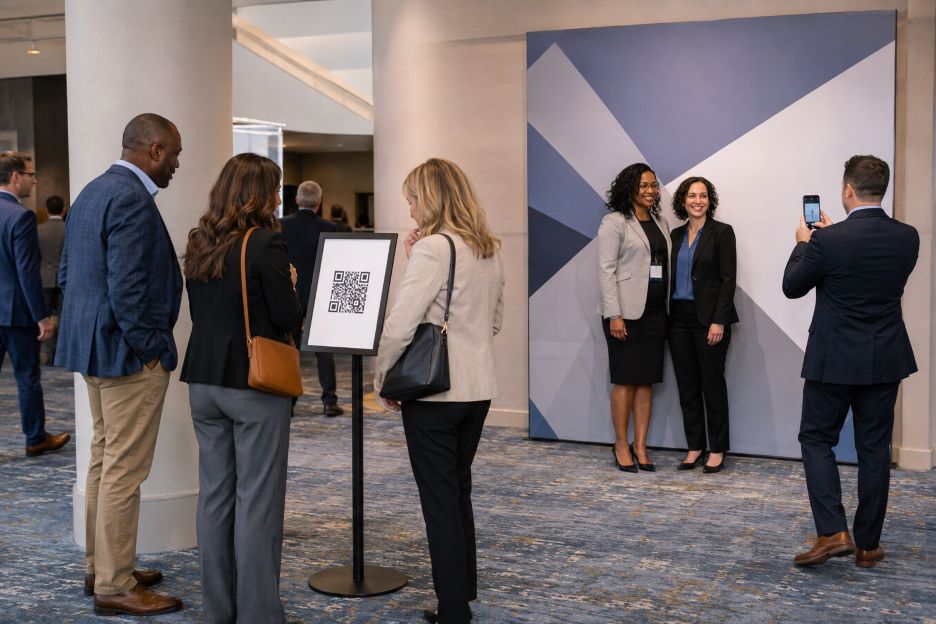
A Photo Area Can Serve Two Purposes
For campaigns, the appeal is understandable. Someone waiting for a photograph may already be interested in the candidate or issue. A clearly marked code can give that person a quick way to request updates, find policy information, or volunteer. The physical setting creates visibility, while the digital form captures a measurable response.
Convenience, however, should not obscure what is happening. Scanning a code is not the same as posing before a branded wall. One activity creates an image, while the other may disclose a name, email address, telephone number, ZIP code, device information, or political interest. Organizers should explain that difference before asking attendees to proceed.
The National Institute of Standards and Technology describes its Privacy Framework as a tool for identifying and managing privacy risk. Applied to political events, this means organizers should examine what information is collected, why it is needed, who receives it, and how long it will remain stored. The small size of a sign or form does not reduce those responsibilities.
Consent Must Be Meaningful
A QR code can support voluntary engagement when its purpose is stated in plain language. Problems arise when attendees believe scanning is required to enter the photo area, receive their picture, meet a speaker, or remain at the event. That impression may create pressure even if the campaign considers the action optional.
Meaningful consent requires a genuine choice. Staff should avoid language such as “scan here first” unless scanning is truly necessary and the reason is explained. People who decline should still be able to use the photo area when registration is unrelated to access, safety, or another legitimate event requirement.
Forms should also separate different permissions. Agreeing to receive an event photograph should not automatically enroll someone in fundraising messages, volunteer outreach, or data sharing with partner organizations. The Federal Election Commission illustrates a clear privacy principle in its own website policy: personally identifiable information is not collected unless a visitor explicitly provides it.
Accessibility Requires More Than a Code
The design of interactive political photo opportunities should account for people who cannot or prefer not to use a QR code. Some attendees may have limited vision, difficulty using a touchscreen, no mobile data, an older device, or concerns about opening unfamiliar links. Others may need more time or assistance to understand a form.
Guidance from the U.S. Department of Justice explains that inaccessible web content can prevent people with disabilities from obtaining information and using services. Campaigns should therefore offer alternatives, such as a short printed address, an accessible tablet, a paper form, or assistance from trained staff. The destination page should support screen readers, keyboard navigation, readable contrast, and clear labels.
Data Handling Continues After the Event
Collection is only the beginning. Campaigns must decide who can access the information, whether a vendor processes it, and when records will be deleted. Data minimization offers a practical standard. If an email address is enough to deliver a photograph, requesting a birth date, home address, and telephone number creates unnecessary exposure.
NIST digital identity guidance notes that minimizing personal information reduces the amount vulnerable to unauthorized access or use. Event teams should apply the same logic to supporter forms. Access controls, secure connections, vendor agreements, retention schedules, and a process for correcting or deleting information should be established before the code appears on a sign.
Security also affects trust. The Federal Trade Commission warns that malicious QR codes can direct users to phishing sites or other harmful destinations. Organizers can reduce confusion by displaying the official domain beside the code, checking signs for tampering, using secure web addresses, and allowing attendees to type the address themselves.
A Practical Transparency Standard
Campaigns, advocacy groups, and public-affairs organizers can make these hybrid spaces clearer by following several basic practices:
- State exactly what the code does before a person scans it.
- Identify the organization collecting the information.
- List the data requested and its intended use.
- Separate photo delivery from marketing, fundraising, and volunteer consent.
- Provide an accessible, non-smartphone alternative.
- Explain whether vendors or partner groups receive the data.
- Publish retention, security, correction, and deletion procedures.
- Never make optional data collection appear mandatory.
Photo opportunities can strengthen participation by making political events more visible and memorable. Digital tools can extend that engagement, but they should remain clearly distinguishable from the photographic experience itself. When organizers provide real choice, accessible alternatives, limited collection, and understandable privacy notices, attendees can decide whether a picture should remain a picture or become the beginning of a longer political relationship.
 Social media has transformed political campaigns, making them more dynamic and interactive than ever before. With billions of users across platforms like Instagram, Facebook, and Twitter, political messages can reach voters directly, bypassing traditional media filters. This shift has redefined how candidates communicate, fundraise, and mobilize supporters.